

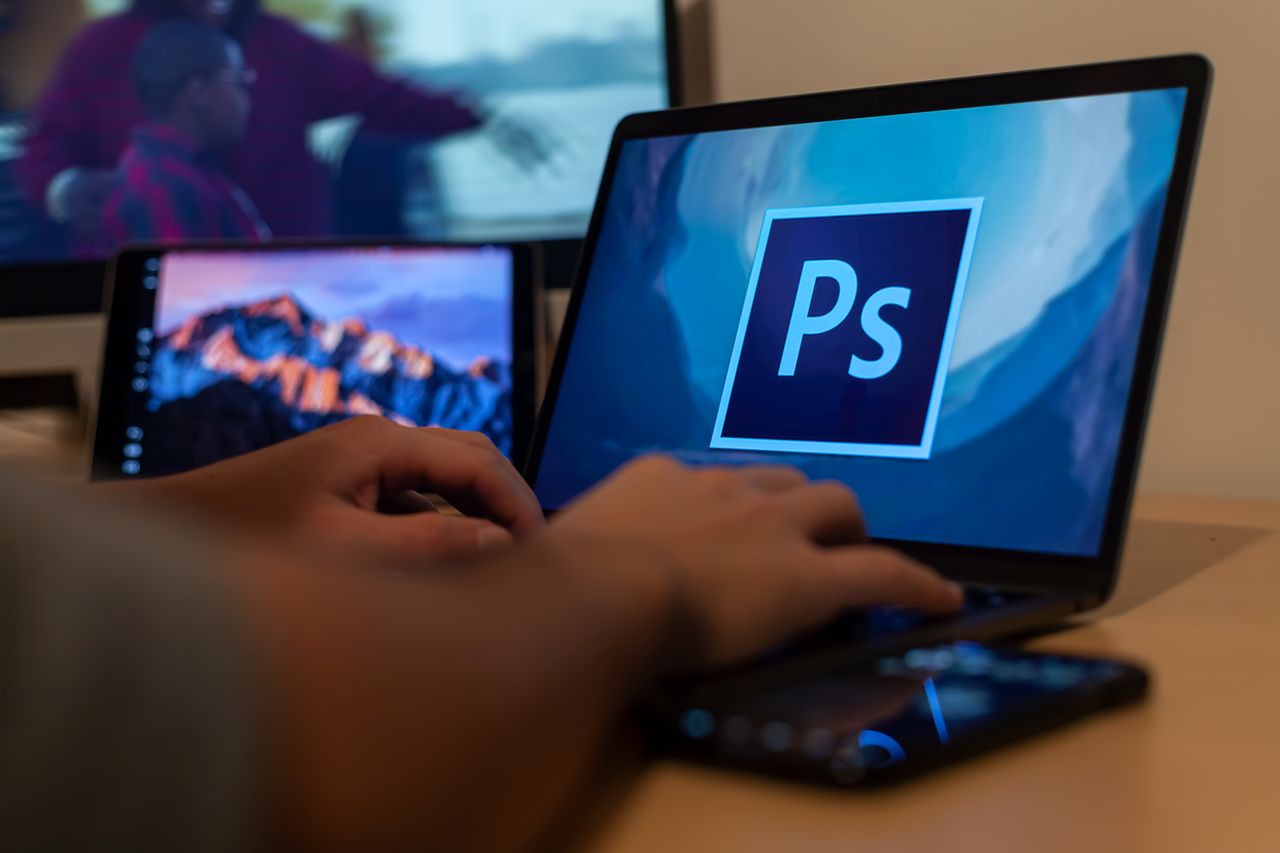
Will AI Replace Graphic Designers
Your article, “Will AI Replace Graphic Designers? Here’s What’s Actually Happening,” needs more transition words to improve its Yoast SEO readability score. The article already has a clear structure, so I recommend adding transitions naturally rather than changing the entire message.
1. Add these transition words throughout your article
Use words and phrases such as:
-
Addition: Additionally, Furthermore, Moreover, In addition
-
Contrast: However, Although, Nevertheless, On the other hand
-
Cause and effect: Therefore, As a result, Consequently, Because of this
-
Examples: For example, For instance, Such as
-
Sequence: First, Next, Then, Finally
-
Conclusion: In conclusion, Ultimately, Overall
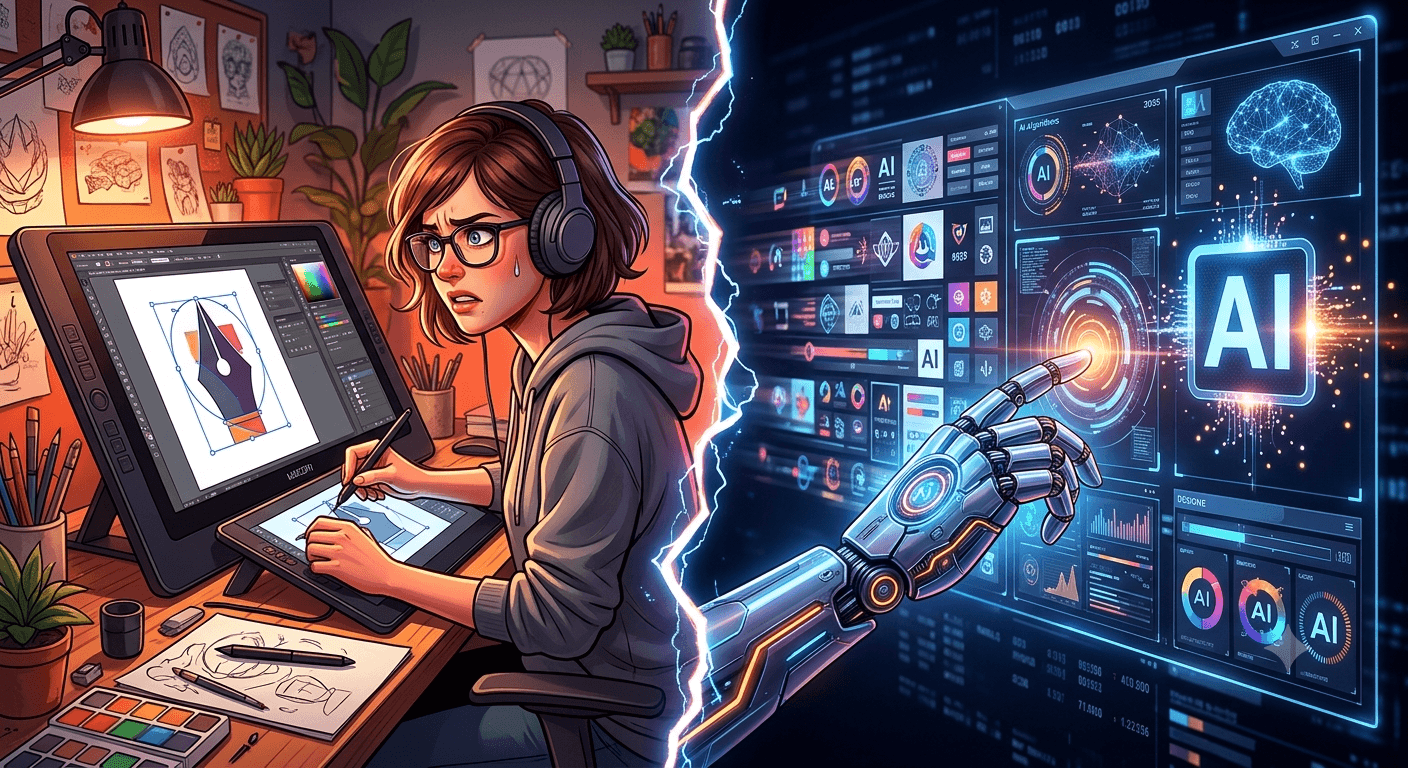
Will AI Replace Graphic Designers
2. Replace these paragraphs with the improved versions
The following edits add transition words while keeping your original meaning.
Ten designers work on a team. Three of them begin using AI. Within months, those three may handle work that previously required the entire team.
This is not necessarily AI replacing designers. Instead, it shows how designers who master AI can become more productive than those who do not.
In fact, this is the real story of AI in graphic design. It is not simply about robots taking over. Rather, it is about the growing gap between designers who adapt and those who resist change.
In this article, we explore where AI is transforming design, why businesses still need human expertise, and which skills designers should develop.
Understanding the Graphic Design Workflow
Professional graphic design involves more than creating attractive visuals. Typically, it follows four essential stages:
-
Concept and visualization
-
Image collection or creation
-
Design composition and layout
-
Final production and delivery
By understanding these stages, we can identify where AI helps and where human creativity remains essential.
1. Visualization: Where Human Creativity Still Wins
Every design project begins with understanding the client’s goals. First, a designer researches the brand and identifies its target audience. Next, the designer develops ideas and plans a visual direction.
Although AI tools can generate mood boards, creative suggestions, and references, they cannot fully replace human imagination.
Experienced designers must understand business objectives, brand personality, customer psychology, and creative storytelling. Therefore, original thinking remains an important part of the design process.
AI can generate ideas based on existing information. However, designers must still evaluate those ideas and turn them into meaningful visual communication.
2. AI Has Revolutionized Image Creation
One area where AI has made a significant impact is image generation. Previously, designers often relied on stock photography, professional photographers, client-provided images, and expensive photoshoots.
Today, AI image generators can create realistic visuals within minutes. As a result, designers can spend less time searching for images and more time developing creative concepts.
For example, a designer can describe a specific scene and generate a custom visual almost instantly. Consequently, the creative process can become faster and more flexible.
AI Images Are References, Not Complete Brand Identities
Many people believe AI can generate an entire branding package with a single prompt. In reality, AI often produces attractive mockups rather than complete brand systems.
A professional brand identity includes logo files, a color palette, typography, brand guidelines, print-ready assets, editable source files, and marketing materials.
Furthermore, businesses need consistent visual standards across different platforms. Although AI-generated images can provide inspiration, they rarely deliver every asset a business requires.
For this reason, professional designers remain essential. They refine, organize, and implement these assets to create a consistent brand identity.
3. Design Software Is Becoming AI-Powered
Applications such as Photoshop and Illustrator are increasingly integrating AI into their workflows. For example, today’s tools can remove backgrounds, generate new elements, expand images, create mockups, and automate repetitive tasks.
As a result, designers can complete many editing tasks more efficiently. Instead of replacing designers entirely, AI is becoming another tool within professional design software.
As technology continues to evolve, designers may rely less on manual processes and more on intelligent tools. Nevertheless, design expertise will remain valuable because effective visual communication requires more than software skills.
3. Improve the remaining sections
For the rest of your article, add transition words at the beginning or middle of relevant paragraphs.
|
Current section |
Suggested transition |
|---|---|
|
Technology Changes. Designers Must Change Too. |
Throughout history, creative tools have continued to evolve. Therefore, designers must adapt. |
|
The Final Design Still Requires Human Expertise |
Even so, generating an attractive image is only part of the job. |
|
Skills Every Graphic Designer Should Learn Today |
To remain competitive, designers should focus on developing these skills. |
|
Will Graphic Designers Lose Their Jobs? |
At first glance, this may seem like a threat. However, the reality is more nuanced. |
|
AI Won’t Replace Designers, Designers Using AI Will |
For example, imagine a company with ten graphic designers. |
|
Marketing Keeps Graphic Design Alive |
Meanwhile, businesses continue to compete for customer attention. |
|
The Future of Graphic Design |
Looking ahead, the industry will continue to experience technological changes. |
|
Final Thoughts |
Ultimately, AI is not necessarily the end of graphic design. |